- Press Office
- Press releases
- A Practical Guide to Navigating the Ocean´s Metabolome
A Practical Guide to Navigating the Ocean´s Metabolome
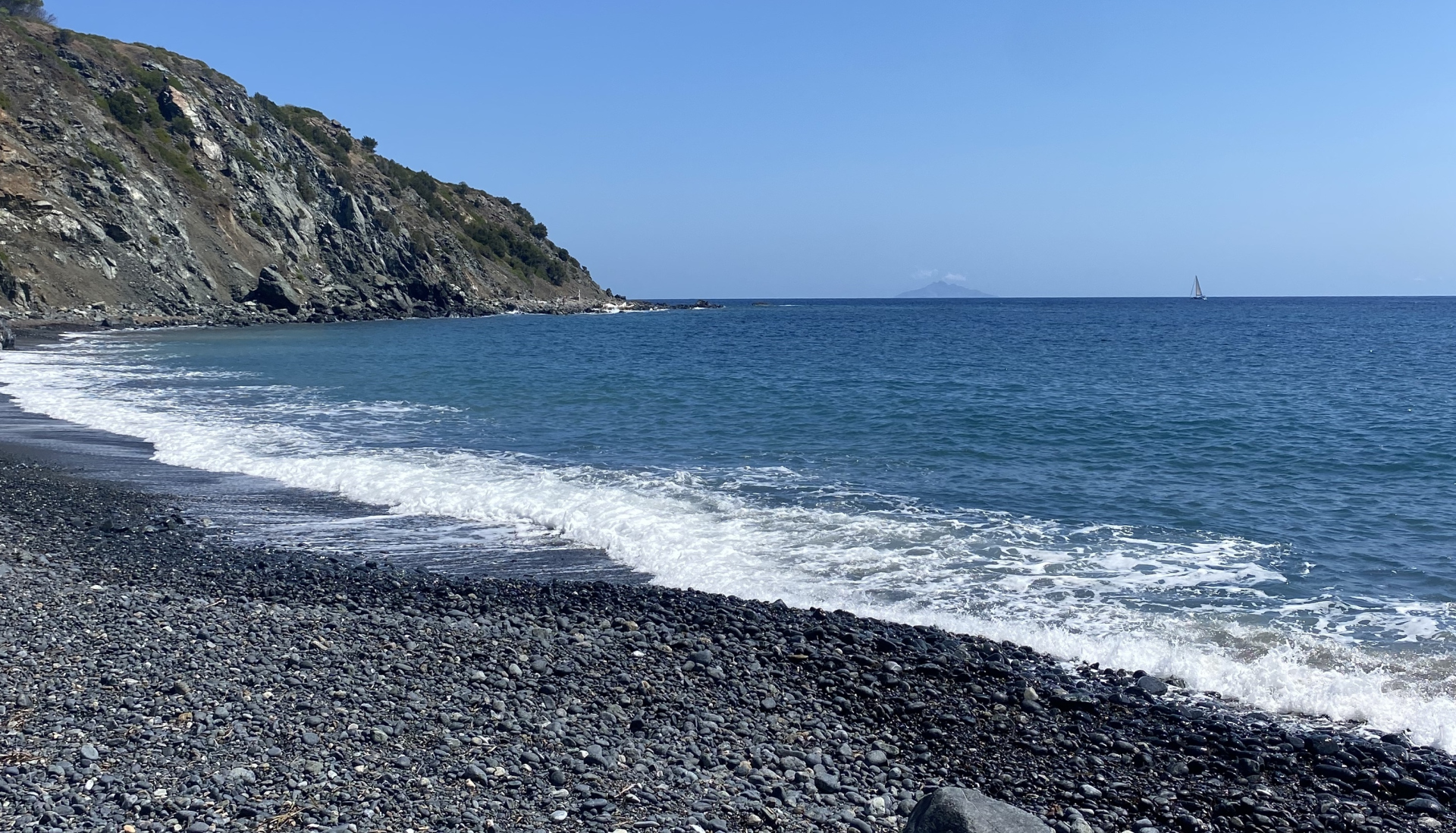
“Each drop of seawater is a complex tapestry of small molecules, which form part of the ocean’s hidden chemical language,” says author Catherine Bannon. “These molecules can provide insight into how microorganisms interact with one another and influence the microbial processes that underpin marine food webs and global nutrient cycles. As analytical tools continue to improve, scientists are uncovering more of these previously hidden chemical connections.”
Yet studying such molecules, also called exo-metabolites, is far from easy. They occur in great diversity, often at extremely low concentrations in a complex and salty background. In recent years there have been important advances made by laboratories across the globe in the methods used in marine exometabolomics. However, researchers new to the field face a growing number of options without a clear overview of their respective pros and cons.
To help researchers navigate these challenges, Catherine Bannon, Manuel Liebeke and colleagues from the Max Planck Institute for Marine Microbiology in Bremen, Germany, now provide an overview in The ISME Journal of five recently developed methods specifically designed for marine exometabolomics. “Rather than promoting a single "best" approach, we present a guide that walks researchers through the strengths and limitations of each method and provides practical advice on selecting the right workflow for their research questions,” explains Liebeke.
“We hope this guide provides a useful starting point for researchers entering the growing field of marine exometabolomics.” says Catherine Bannon. “There is still so much left to discover, and expanding the use of these methods to new habitats and systems will reveal exciting insights into marine microbial interactions and their roles in shaping ocean ecosystems.”
This publication not only reflects the Max Planck Institute for Marine Microbiology's commitment to advancing marine science, but also its dedication to making emerging areas of ocean research more approachable for researchers from diverse scientific backgrounds.
Original publication
Bannon CC, Geuer JK, Stock L, Imai BYP, Liebeke M (2026). Practical guide for marine exo-metabolomic sample preparation. The ISME Journal. DOI: https://doi.org/10.1093/ismejo/wrag115
Please direct your queries to:
MPI for Marine Microbiology
Celsiusstr. 1
D-28359 Bremen
Germany
|
Room: |
2251 |
|
Phone: |

Head of Press & Communications
MPI for Marine Microbiology
Celsiusstr. 1
D-28359 Bremen
Germany
|
Room: |
1345 |
|
Phone: |
