- Press Office
- Press releases
- Same tenant, different lifestyle
Same tenant, different lifestyle: Symbionts adapt to their host
The perfect scenario for a natural experiment
The study, published in The ISME Journal, focuses on lucinid clams: small and inconspicuous marine bivalves that are one of the most diverse groups of animals hosting chemosynthetic symbionts in the ocean. That makes the clam-bacteria-tenancy an ideal system to investigate how hosts influence the microbial activity taking place “inside” them.
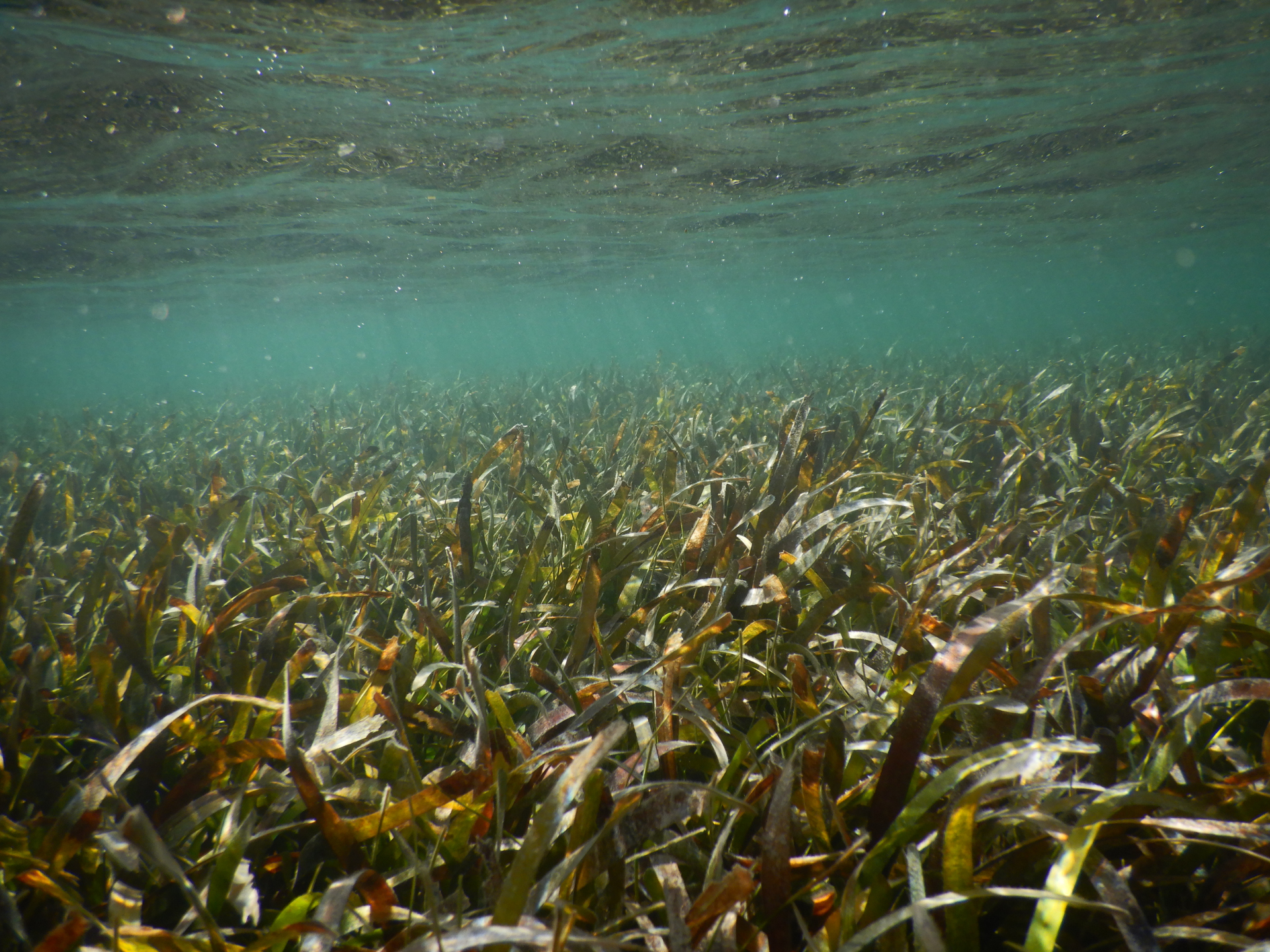
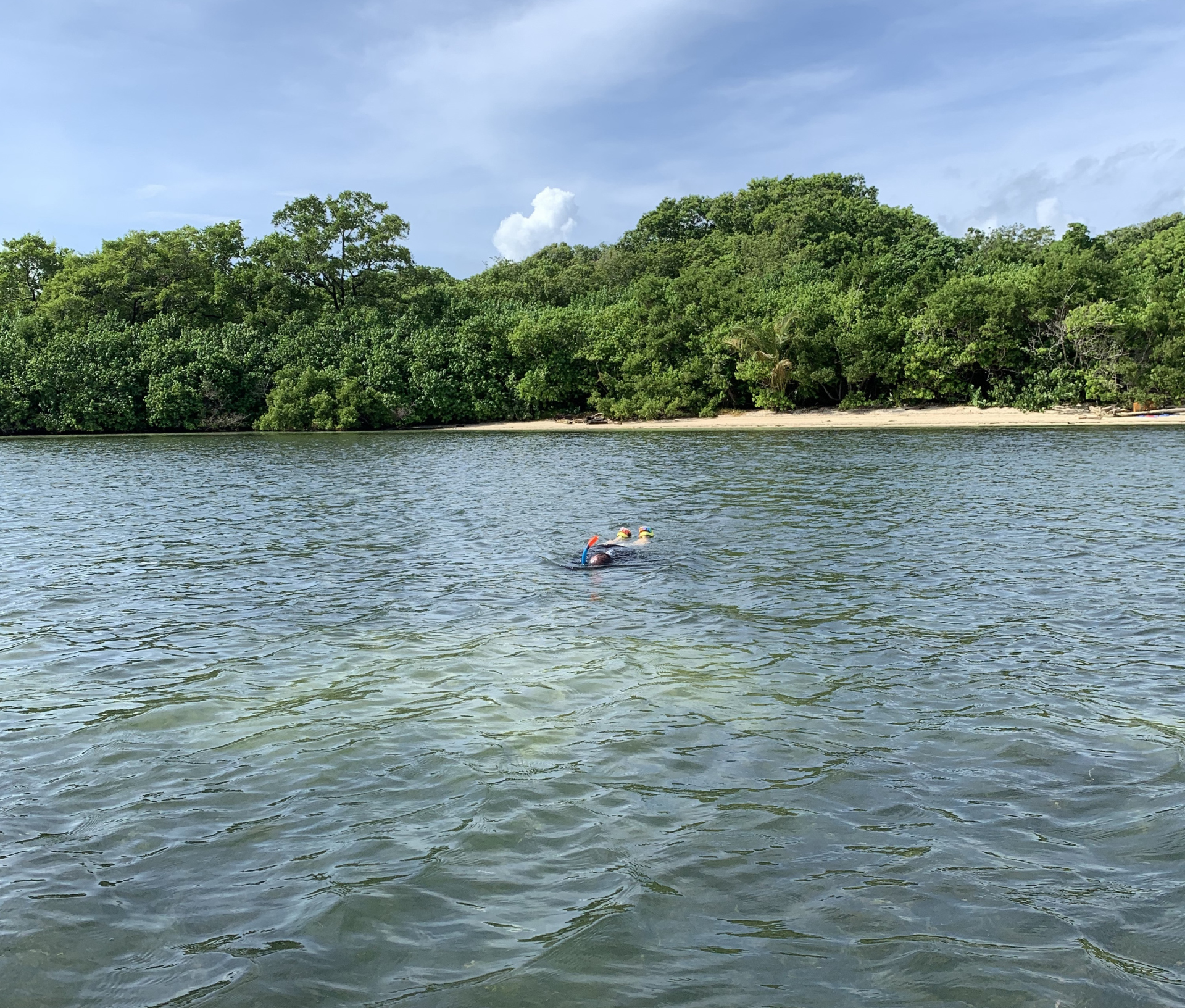
For their investigation, the researchers from the Max Planck Institute for Marine Microbiology in Bremen, Germany, University of Vienna and University of the Antilles collected lucinid clams from seagrass meadows in the Caribbean archipelago of Guadeloupe. There, three different species of lucinid clams live side by side, all of them hosting the same bacterial symbiont. The symbionts can oxidize sulfur compounds from the environment to fix carbon and, in doing so, feed their host.
“We collected all our clams in the same place and at the same time”, explains first-author Carlotta Kück from the Max Planck Institute for Marine Microbiology. “This way, we knew that they had all been exposed to similar environmental conditions and whatever differences we would find were most probably due to different host-symbiont interactions.”
Symbionts adjust to their host
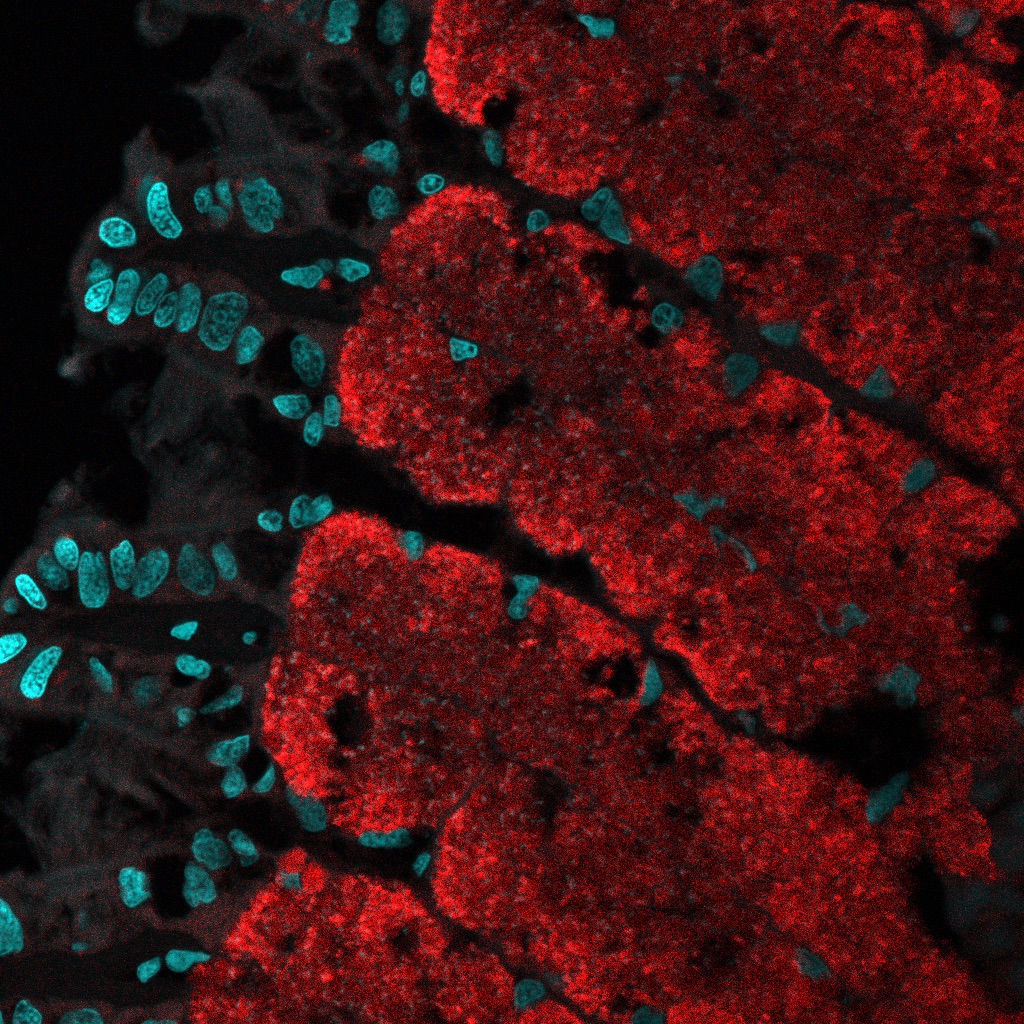
Back in the laboratory, Kück and her colleagues analyzed which genes the bacteria used inside each clam species. “Even though the bacteria were genetically almost identical, they behaved differently depending on their host,” Kück highlights.
Depending on the clam species they inhabited, the symbionts activated different metabolic pathways to process carbon and sulfur as well as to divide. In other words, the bacteria apparently “switch on” different functions depending on their host.
“Our study shows that symbiosis is much more dynamic than previously thought,” concludes Kück. “Even when the bacterial partner is genetically the same, the clam can strongly influence how the symbiont behaves and functions.”
Hidden flexibility in marine symbioses
Seagrasses are very important ecosystems. They are home to many different animals, protect the coasts from erosion and help to regulate our climate. Lucinid clams and their bacterial partners are important members of seagrass ecosystems worldwide and help to keep them healthy. Their symbiosis helps recycle nutrients and detoxify sulfide-rich sediments that would otherwise harm the seagrass.
The new findings suggest that these symbiotic partnerships may enable closely related animals to coexist next to each other by allowing them to “use” their shared symbionts in different ways. “The flexibility we observed may help explain how closely related species can share the same habitat. By shaping their microbial partners in different ways, hosts may create distinct ecological niches for themselves. This impressively demonstrates the power of symbiosis in promoting and maintaining biodiversity,” highlights Kück.
Original publication
A. Carlotta Kück, Lukas Leibrecht, Isidora Morel-Letelier, Olivier Gros, Laetitia G. E. Wilkins, Benedict Yuen-Simović, Jillian M. Petersen (2026): Host species-specific gene expression by a widespread and flexible chemosynthetic symbiont, The ISME Journal, Volume 20, Issue 1, January 2026, wrag065, DOI: 10.1093/ismejo/wrag065
Participating institutions
- Max Planck Institute for Marine Microbiology, Bremen, Germany
- University of Vienna, Austria
- Université des Antilles, Guadeloupe
Please direct your queries to:
Head of Press & Communications
MPI for Marine Microbiology
Celsiusstr. 1
D-28359 Bremen
Germany
|
Room: |
1345 |
|
Phone: |
